“Why vegetarian meals are not filling.Not full on plant-based diet.How to feel full without meat.Vegetarian meals not satisfying. Meatless meals often feel unsatisfying because they lack protein, healthy fats, and calorie density. To fix this, include a protein source like beans or tofu, add healthy fats such as olive oil or nuts.Plus, whole grains instead of refined carbs.”
Meatless Meals Feel Unsatisfying?
If you’ve ever finished a meatless meal only to feel hungry again an hour later, you’re not alone. Many people switching to a vegetarian or plant-based diet notice that their meals don’t feel as filling or satisfying as they expected.
The good news is this isn’t a flaw in meatless eating—it’s usually a simple issue with how meals are structured. Once you understand what’s missing, it’s easy to fix.
In this guide, you’ll learn exactly why meatless meals can feel unsatisfying and how to make them more filling, balanced, and enjoyable.
Why Meatless Meals Don’t Always Feel Filling
Lack of Protein
Protein is one of the most important nutrients for feeling full. It slows digestion and helps regulate hunger hormones.
Many traditional meals include a clear protein source like chicken or fish. When people remove meat, they often don’t replace it properly. For example, a bowl of plain pasta with tomato sauce may be low in protein compared to a chicken-based dish.
Plant-based proteins like lentils, beans, tofu, and chickpeas can absolutely do the job, but they need to be included intentionally and in sufficient amounts.
Not Enough Calories
Plant-based foods are often less calorie-dense than meat. That means you can eat a large volume of vegetables and still not get enough energy.
For example, a salad packed with vegetables may look filling but can leave you hungry if it lacks calorie-dense ingredients like grains, legumes, or fats.
Low Healthy Fat Intake
Fat plays a key role in satiety. It slows down digestion and helps meals feel more satisfying.
Many people trying to eat “clean” or “light” vegetarian meals avoid fats, but this often backfires. A meal without fats can leave you feeling unsatisfied even if it’s large.
Too Many Refined Carbohydrates
Meals based on white bread, pasta, or rice can cause quick spikes in blood sugar followed by crashes. This often leads to hunger returning soon after eating.
Switching to complex carbohydrates helps stabilize energy levels and improves fullness.
Missing Umami Flavor
Meat naturally contains umami, the deep savory flavor that makes meals feel rich and complete. Without it, plant-based meals can feel lacking—even if they are nutritionally adequate.
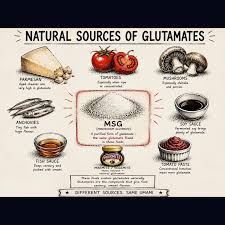
This is more psychological than nutritional, but it still matters.
How to Make Meatless Meals More Satisfying
Add a High-Protein Base to Every Meal
Make protein the foundation of your meal rather than an afterthought.
Good options include lentils, chickpeas, black beans, tofu, tempeh, and Greek-style plant-based alternatives. Aim for around 15–25 grams of protein per meal depending on your needs.For example, instead of plain rice and vegetables, build a bowl with lentils, roasted vegetables, and a tahini dressing.
Include Healthy Fats
Adding healthy fats is one of the fastest ways to improve satiety.Simple additions include olive oil, avocado, nuts, seeds, and nut butters. Even a drizzle of oil or a handful of seeds can make a big difference in how full you feel.
Use Complex Carbohydrates
Swap refined carbs for whole grains like brown rice, quinoa, oats, or whole wheat pasta.These provide more fiber, digest more slowly, and help maintain steady energy levels.
Build Balanced Plates
A simple way to structure meals is:
Half vegetables
One quarter protein
One quarter carbohydrates, plus a source of fat
This balance ensures your meals contain everything needed for fullness and sustained energy.
Boost Umami Flavor
To make meals feel more satisfying, include umami-rich ingredients such as mushrooms, soy sauce, miso, nutritional yeast, or aged cheeses (if vegetarian).For example, adding sautéed mushrooms and soy sauce to a dish can dramatically improve its depth and satisfaction.
Eat Enough
One of the most common mistakes is simply not eating enough.If you’ve removed meat but haven’t increased other foods to compensate, your total calorie intake may be too low. This is especially important if you are active.
Example of a Satisfying Meatless Meal
A simple comparison shows how small changes make a big difference.
Unsatisfying version:Plain pasta with tomato sauce
Improved version:Whole wheat pasta with lentil bolognese, sautéed mushrooms, olive oil, and a side salad topped with seeds
The improved version includes more protein, healthy fats, fiber, and calories—making it far more filling and balanced.
Common Mistakes to Avoid
Eating meals that are mostly vegetables without protein or fats.
Skipping protein sources entirely
Relying heavily on refined carbohydrates
Undereating calories without realizing it
Not planning meals in advance
Fixing even one of these can noticeably improve how satisfied you feel after eating.
Quick Fix Checklist
If your meals aren’t satisfying, check the following:
Did you include a protein source?
Is there a healthy fat in the meal?
Are you using whole carbs instead of refined ones?
Is the portion large enough?
Does the meal include flavorful, savory ingredients?
This simple checklist can quickly improve most meatless meals.
FAQs
Why am I always hungry on a vegetarian diet?
This is usually caused by not eating enough protein, healthy fats, or total calories. Plant-based meals often require more thoughtful balance to keep you full.
How much protein do I need on a meatless diet?
A general guideline is 0.8 – 1.2g
0.8–1.2g of protein per kilogram of body weight, depending on your activity level.
What foods keep you full the longest without meat?
Foods high in protein, fiber, and fat tend to be the most filling. Examples include lentils, beans, tofu, oats, nuts, seeds, and whole grains.
Are plant-based meals less filling than meat?
Not inherently. When properly balanced, plant-based meals can be just as filling and satisfying as meat-based ones.
Can you feel full without eating meat?
Yes. By combining protein-rich foods, healthy fats, and complex carbohydrates, you can create meals that are both filling and nutritionally complete.